Automatic Fare Collection
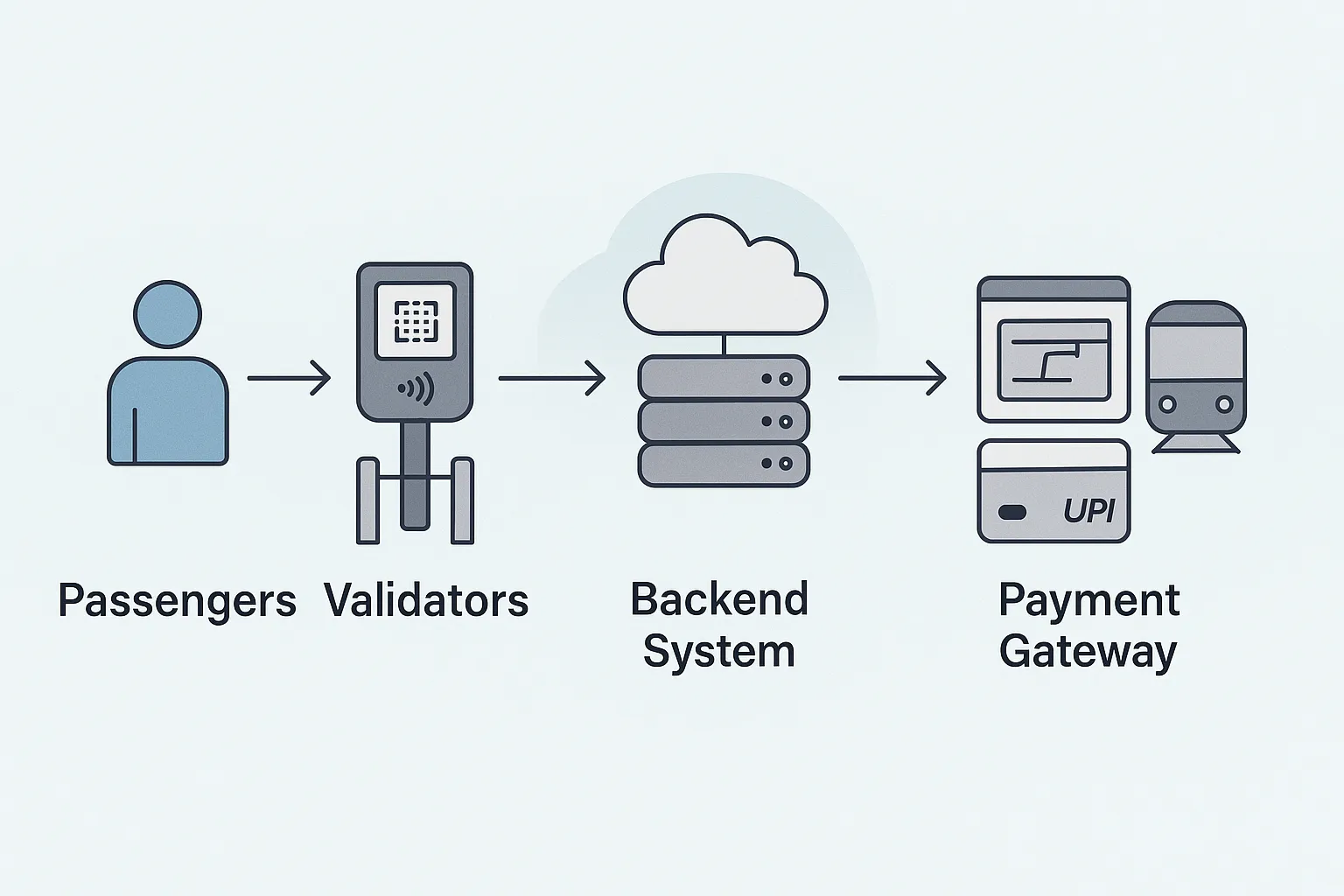
Chartr's AFCS is a fully integrated system covering ticket issuance, payment processing, and entry control — replacing manual ticketing with a platform that works on any network, from metro corridors to rural buses.
0 Cr+
Tickets issued (Odisha)
₹0 Cr+
Digital collections
0+
Buses on AFCS
0
Cities live
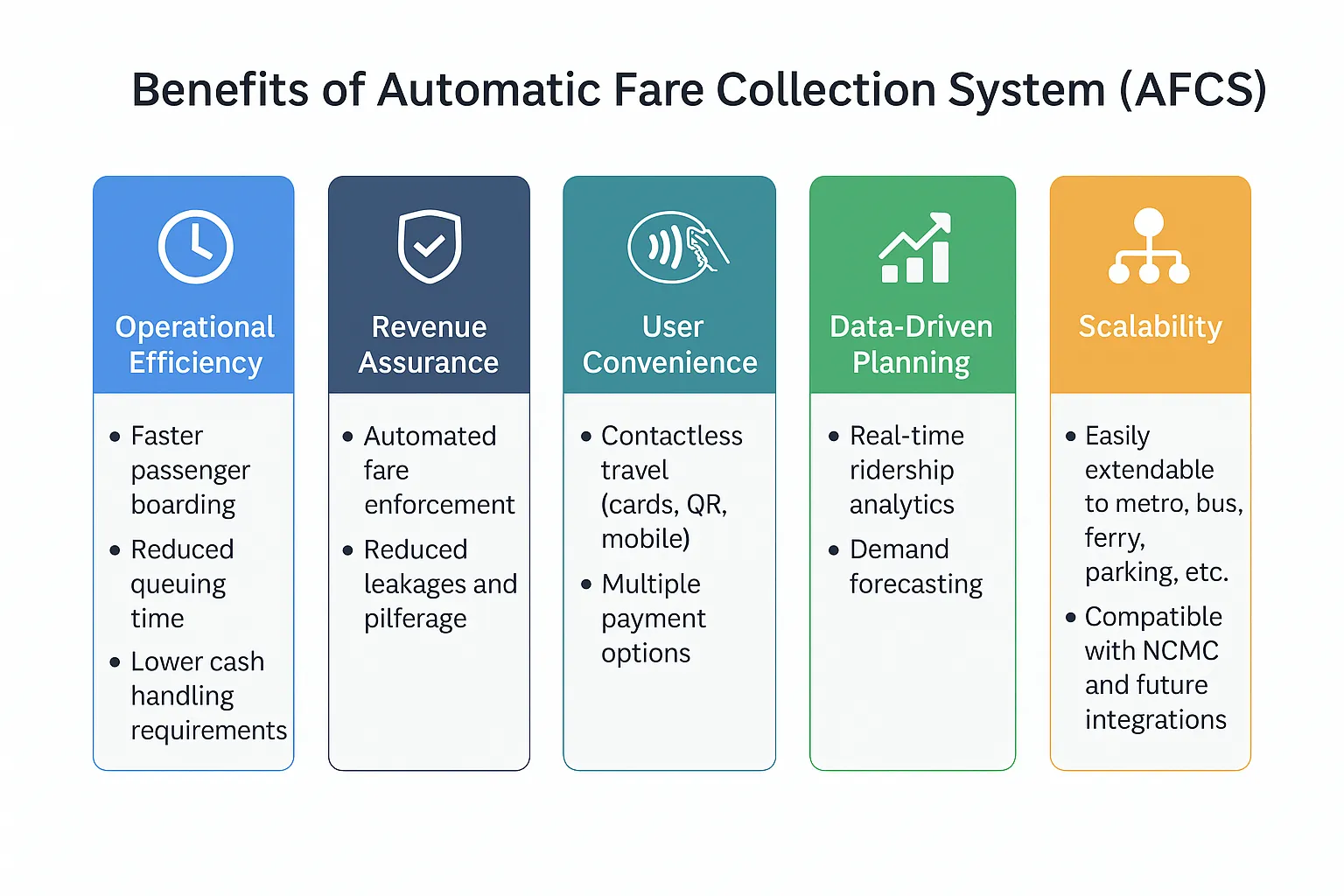
Why AFCS
Five reasons transport authorities choose digital fare collection
Functional Architecture
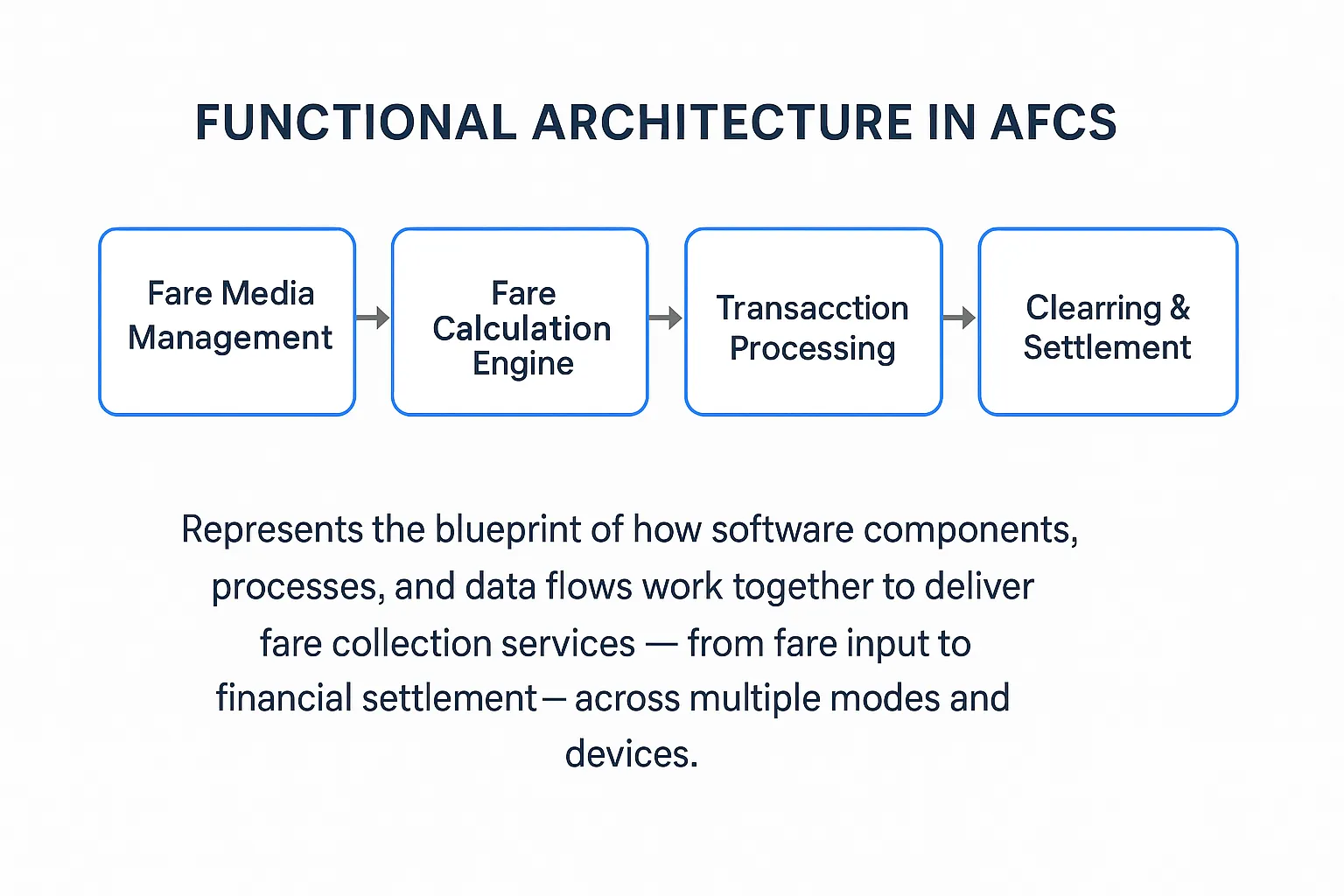
How AFCS works end to end
From the moment a passenger taps to the moment revenue is reconciled — every step is automated, recorded, and auditable.
01
Fare Media Management
Passenger presents smart card, QR, NFC or UPI — device reads and authenticates the fare media.
02
Fare Calculation Engine
Fare rules (route, zone, time, category) are applied locally — even offline, without server dependency.
03
Transaction Processing
Ticket issued instantly. Transaction stored locally and pushed to server in real time or synced when connectivity returns.
04
Clearing & Settlement
Backend reconciles all fares, generates trip-level reports, and settles with payment gateway partners.
System Design
Five core components, one integrated system
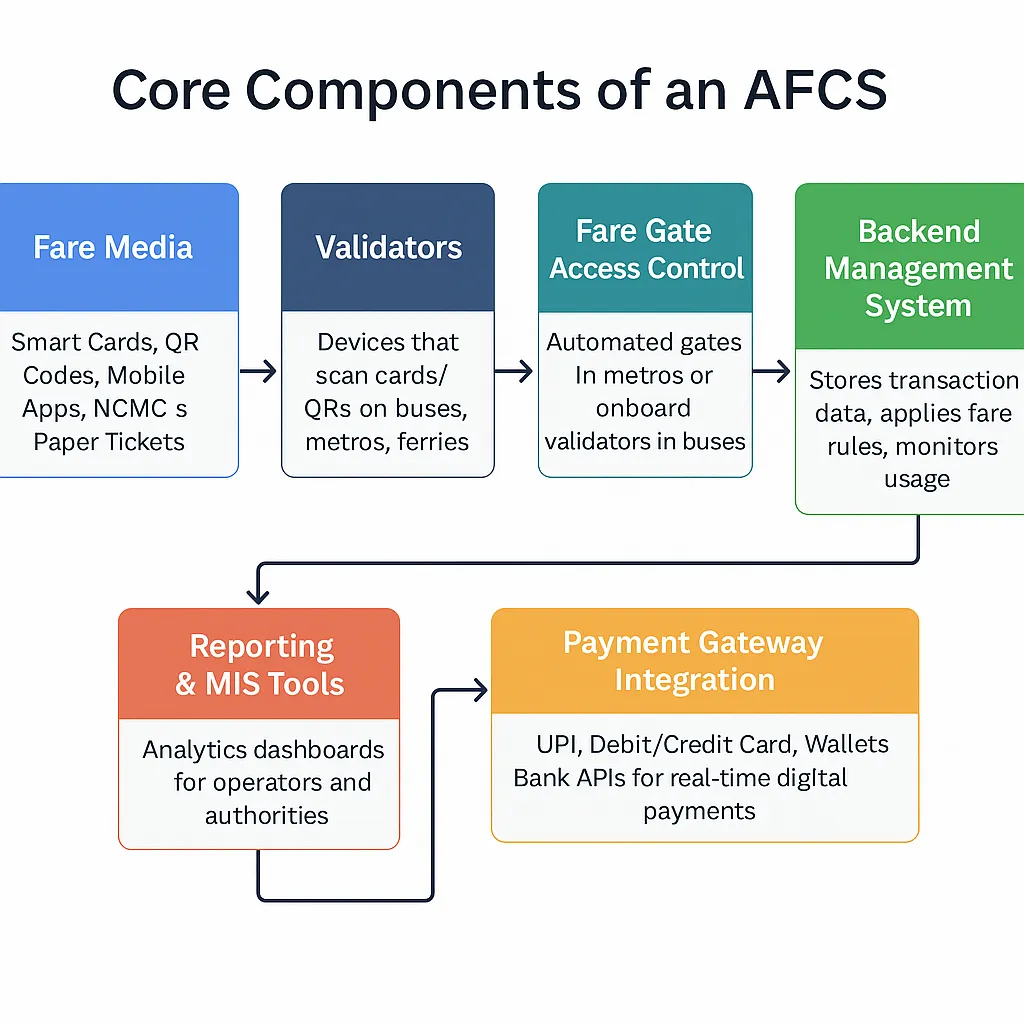
Fare Media
Every commuter pays the way they prefer
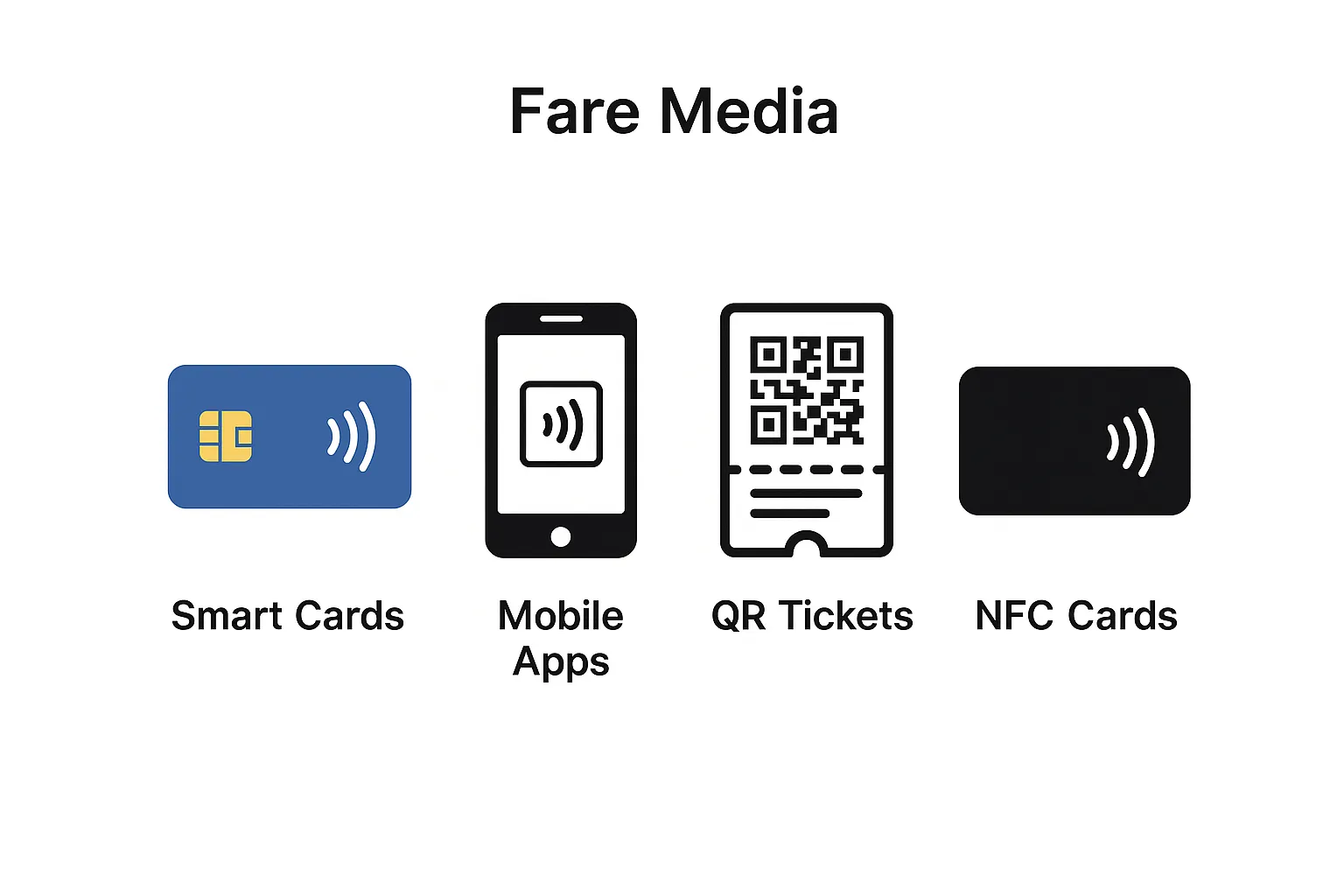
Chartr's AFCS supports all valid payment modes — not to replace cash, but to give alternatives that scale with user preference and city readiness.
Smart Cards (NCMC)
Issued by banks, works across bus, metro, parking. Offline transactions up to ₹2,000. Interoperable across cities.
QR Code Tickets
Mobile app QR (time-bound, prevents reuse) or printed paper QR at kiosks and counters.
NFC / Mobile Wallet
Tap via phone, smart watch, or NFC card. Instant boarding, no friction.
UPI / Card
Direct debit via UPI or contactless EMV card at validator or ETM.
Cash
Always supported alongside digital — inclusion is by design, not an afterthought.
Hardware
Devices for every deployment scenario
From handheld ETMs on city buses to fixed TVMs at metro stations — the hardware is chosen to match the operation, not forced to fit a template.
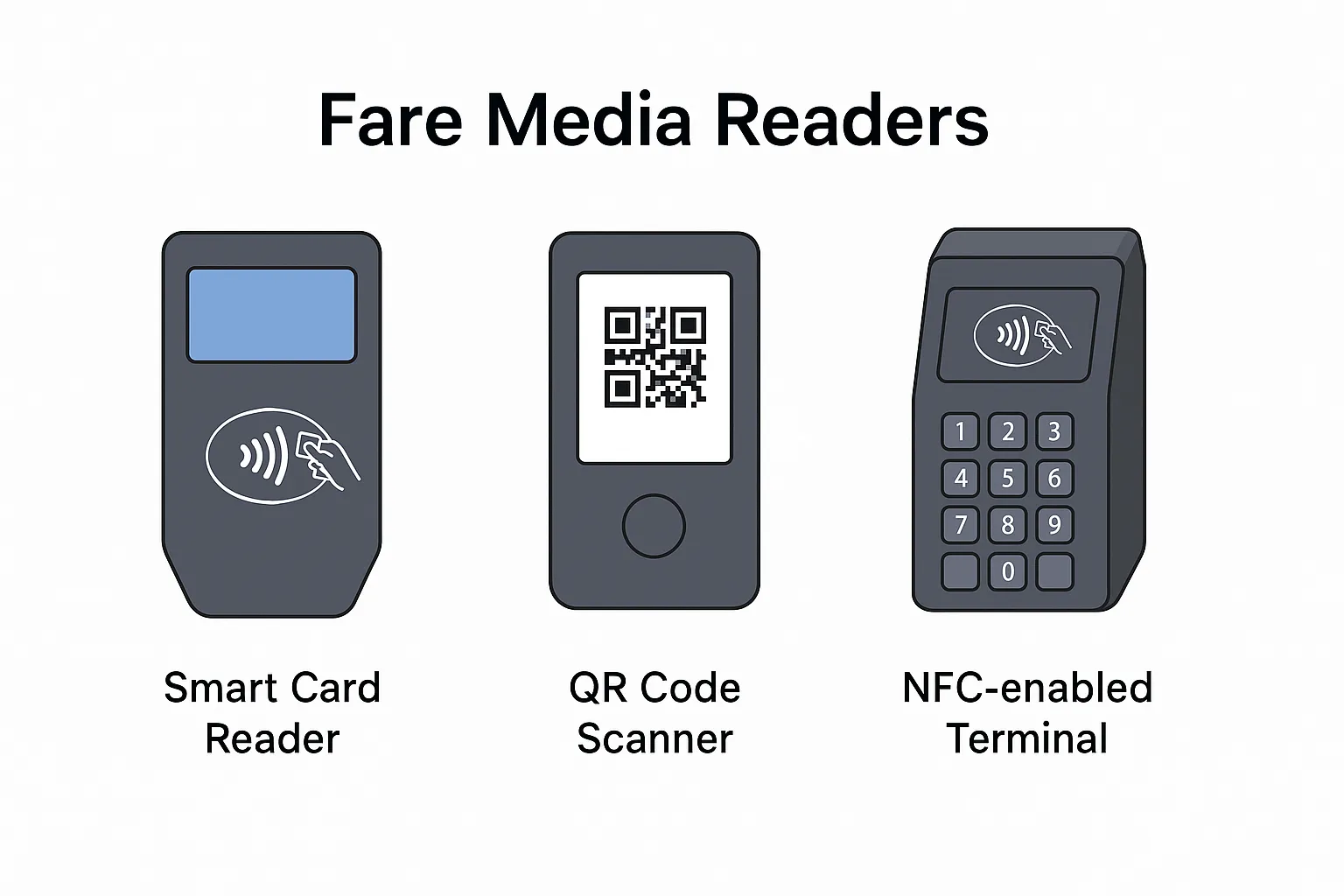
Fare Media Readers
Smart Card Reader, QR Code Scanner, NFC Terminal
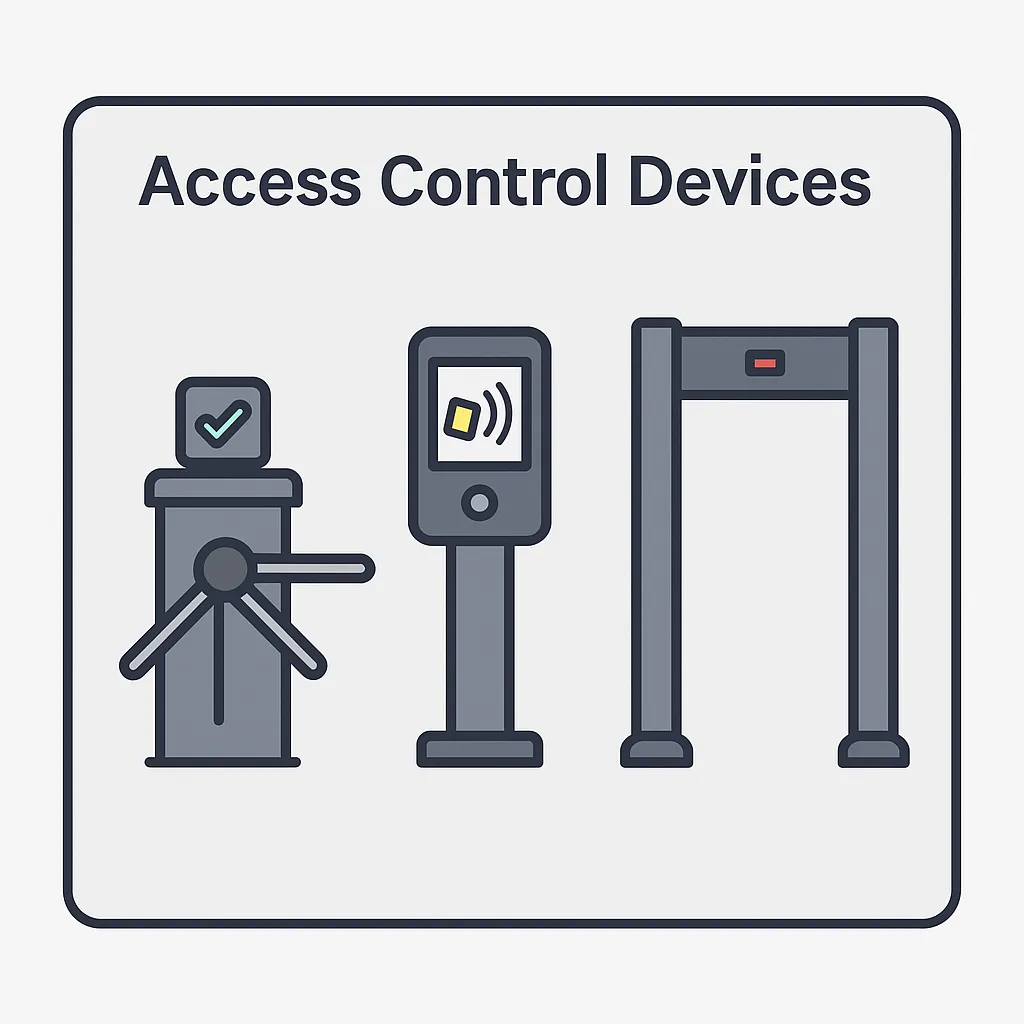
Access Control Devices
Tripod gate, pole-mounted validator, flap gate for metro & BRTS
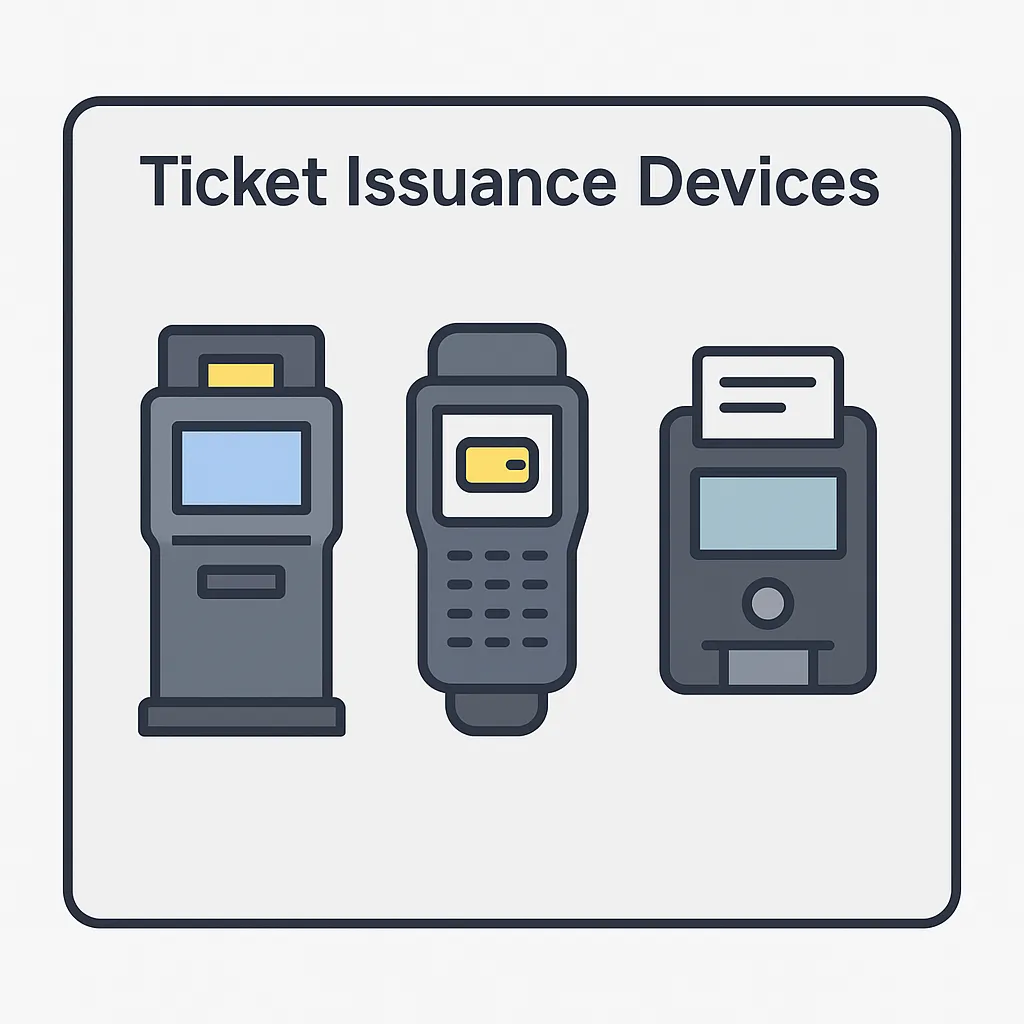
Ticket Issuance Devices
TVM, POS terminal, handheld mobile printer
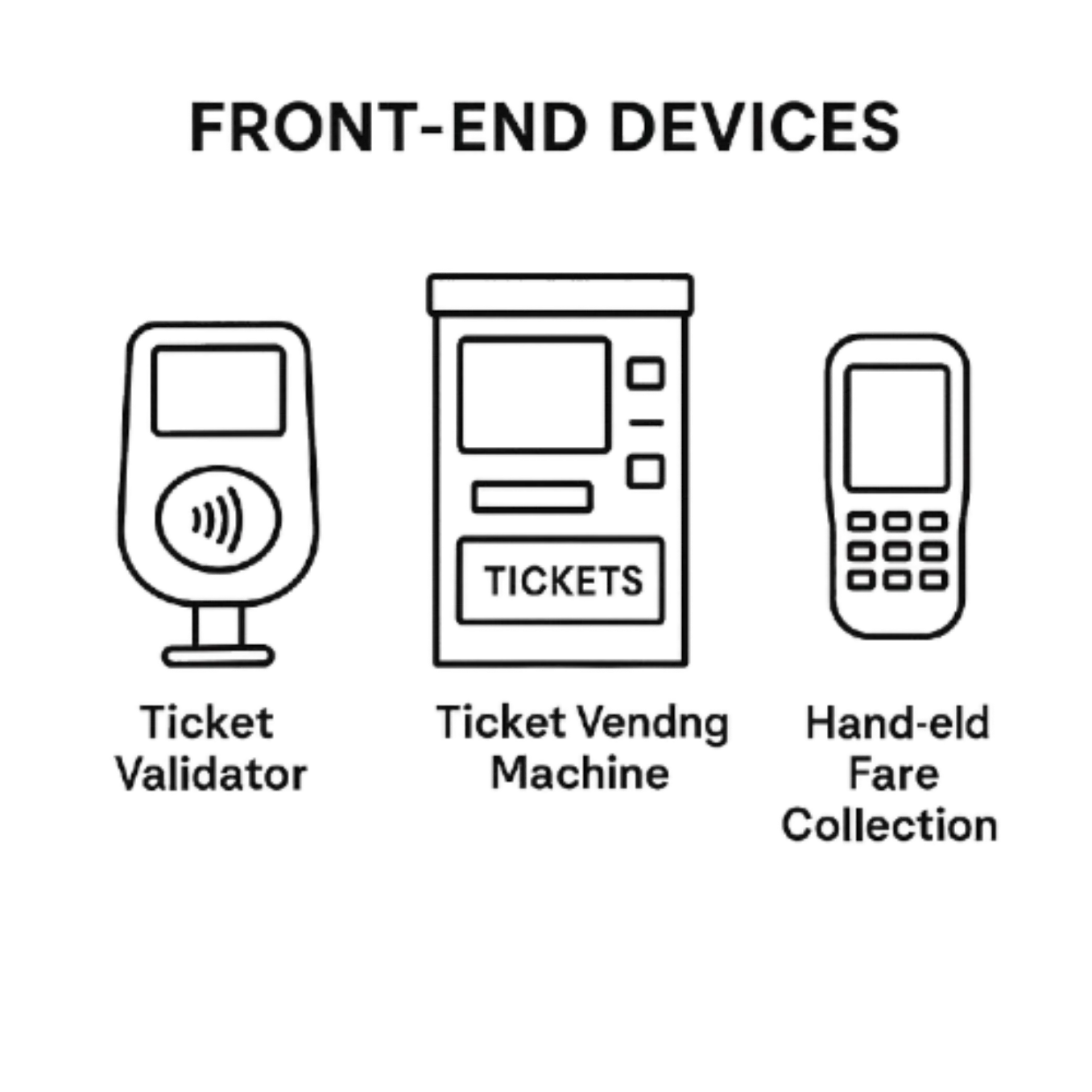
Front-End Devices
Ticket Validator, Ticket Vending Machine, Handheld ETM
The Workhorse
Android ETM — built for India's buses
Chartr deploys Android-based ETMs — not legacy Linux devices. The difference matters in the field: modern UI, full UPI/NFC/QR support, OTA software updates, and mass-market hardware that's easy to repair.
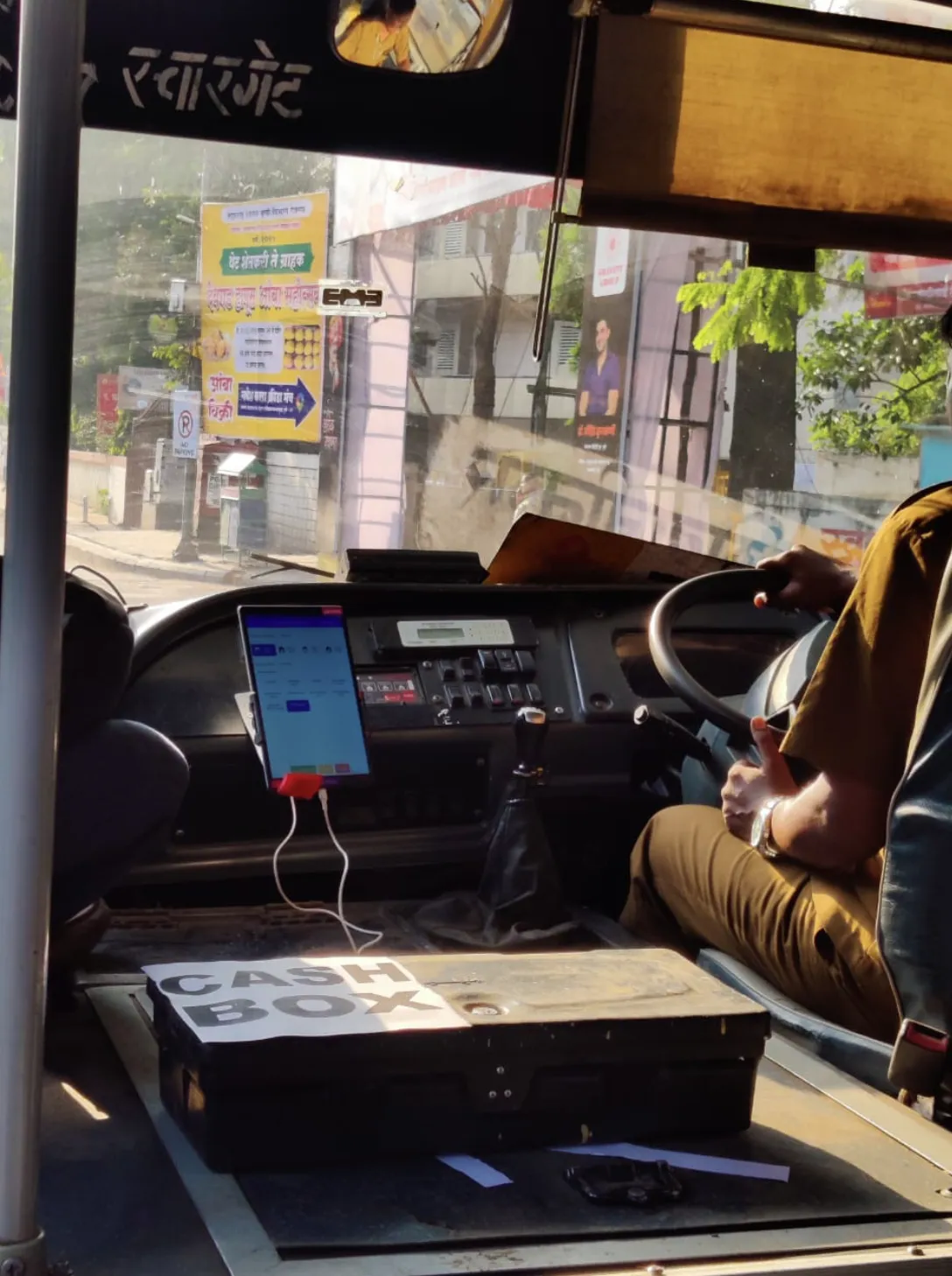
Tablet ETM + cash box at driver's seat — conductorless bus operation
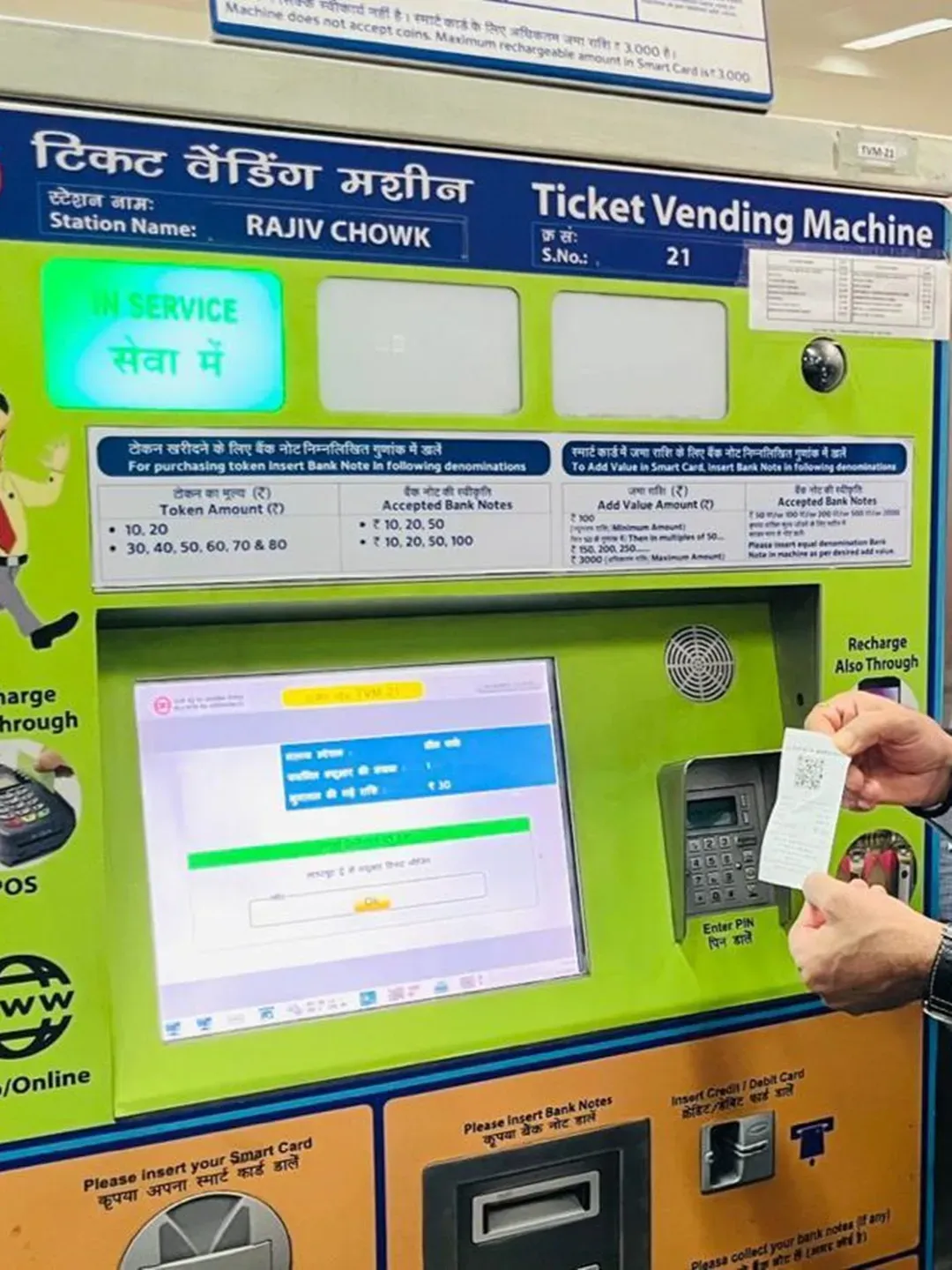
TVM in the Field
Ticket Vending Machine — Rajiv Chowk
Fixed TVMs handle self-service ticketing at metro stations and major bus terminals. Accepts cash, smart card and bank notes — with real-time balance display and printed QR ticket output.
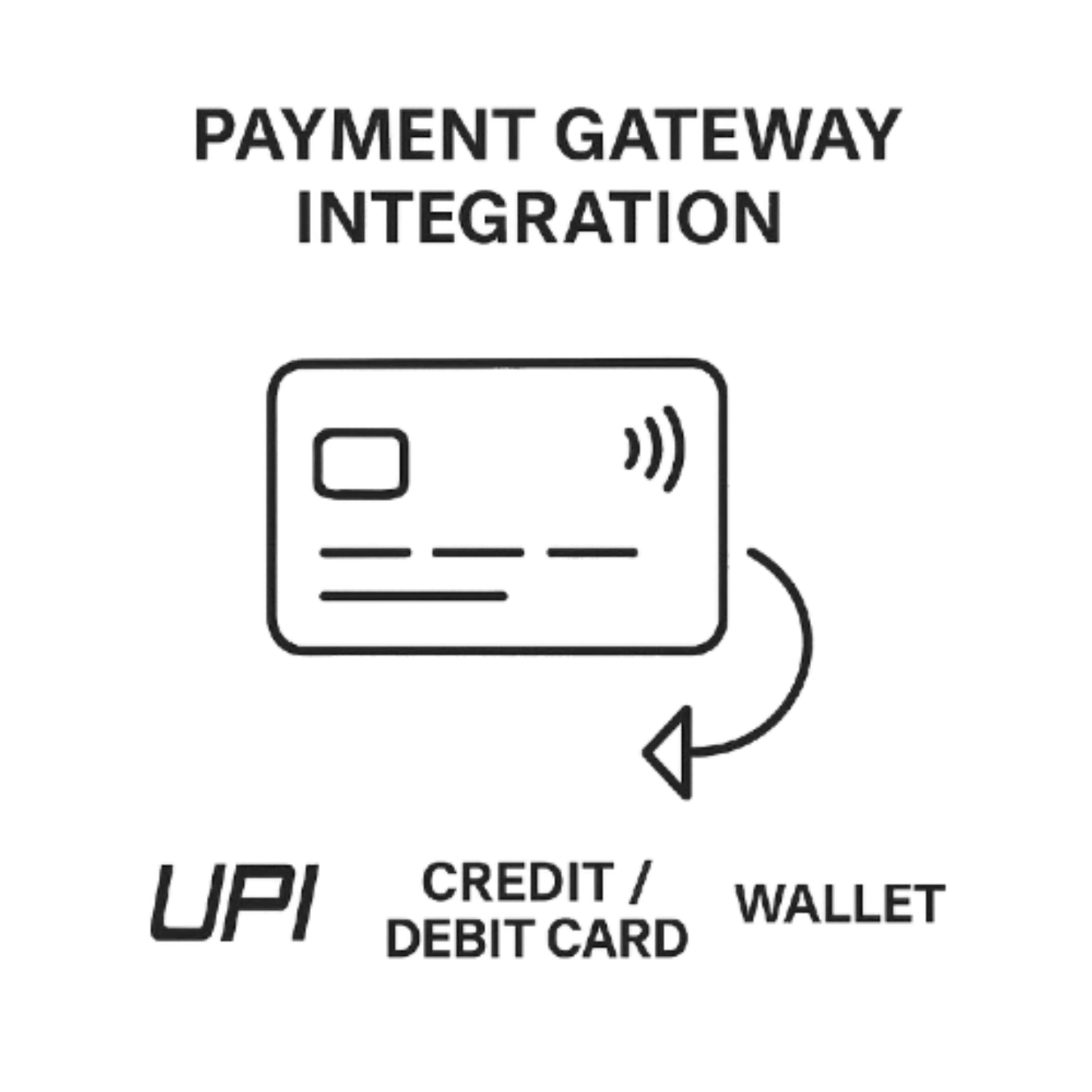
Payment Modes
Coexistence, not elimination
AFCS supports cash and digital simultaneously. Operators and passengers choose their mode — the system handles all of them seamlessly from a single platform.
Cash
Always supported — financial inclusion by design
UPI
Bharat QR / direct debit at ETM or validator
Debit / Credit Card
EMV contactless at point of sale
Smart Card (NCMC)
Closed-loop prepaid, interoperable across cities
QR Ticket
Mobile app or printed — time-bound, tamper-proof
NFC / Wallet
Phone tap, wearables, NFC-enabled cards
Conductorless Operations
The driver handles ticketing — without a conductor
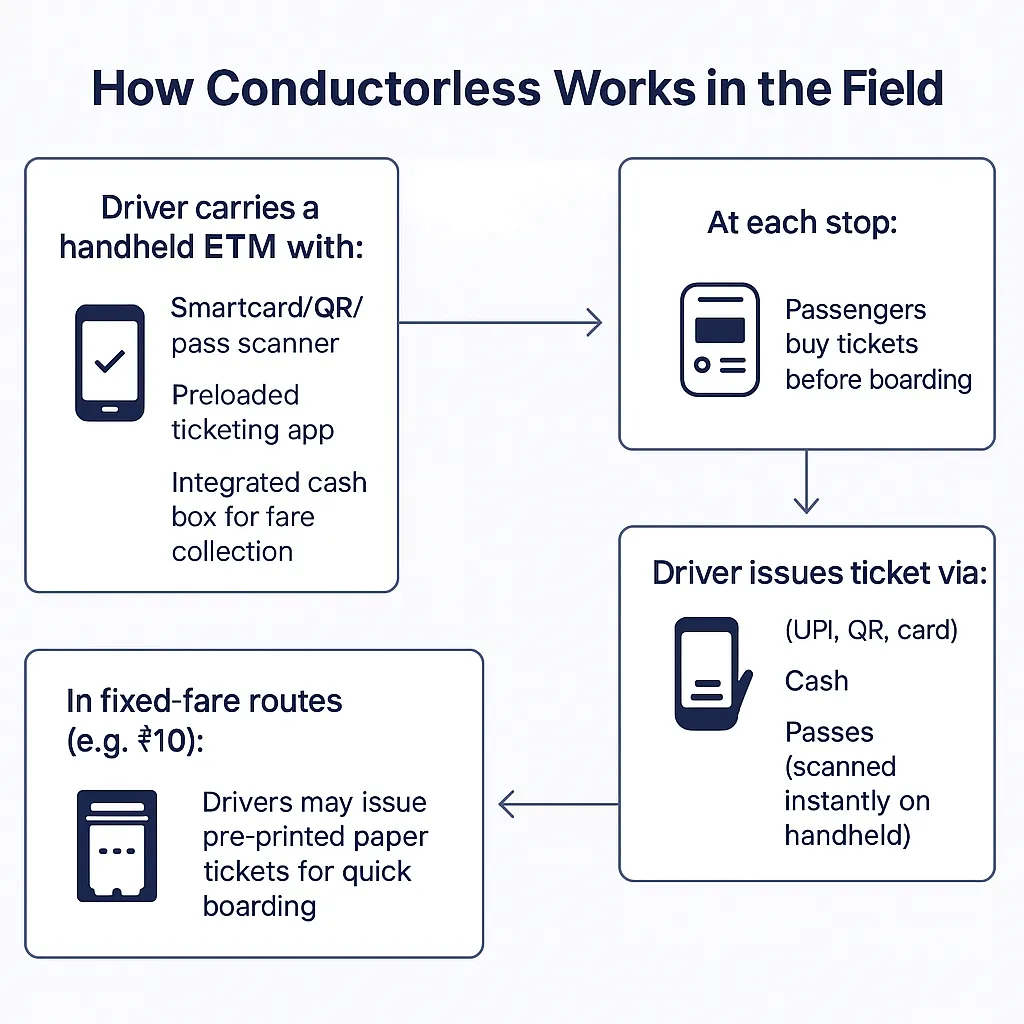
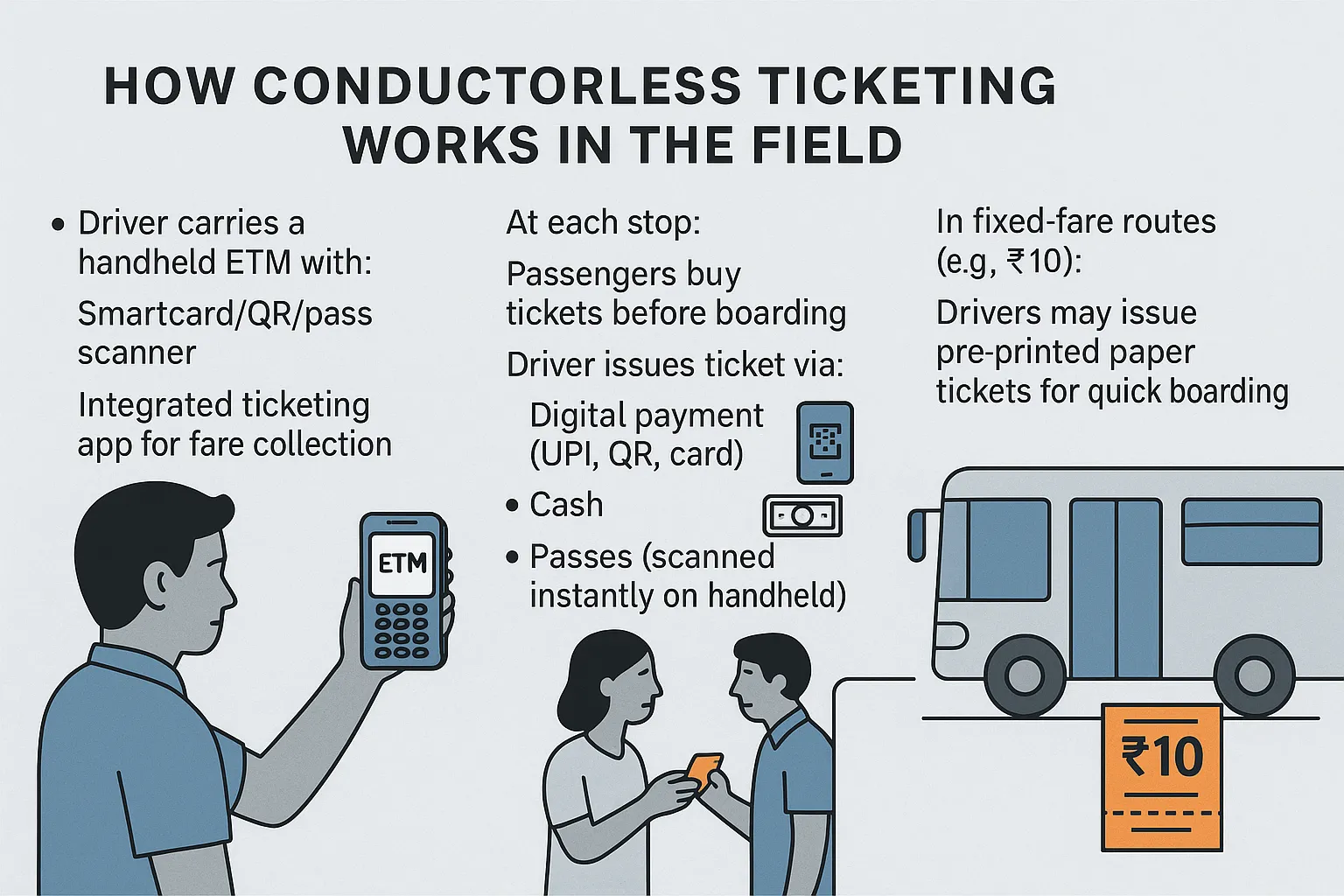
A fare collection model where the driver manages ticketing using a smart handheld device. Combines cost efficiency with full payment flexibility — cash and digital, every route.
Reduced manpower cost
No need for an additional conductor on every bus — reduces operational overhead especially on low-ridership routes.
Flexible deployment
Works for rural, low-ridership, or off-peak operations where a full conductor staffing model isn't viable.
Full payment support
Cash + UPI + card + passes — all modes available via the driver's handheld. No passenger left out.
Real-time sync
All transactions logged instantly via 4G. Offline backup ensures zero data loss even in no-signal zones.
Fast boarding
Pre-ticketing at stop + instant scan-and-go for pass holders means minimal dwell time at each stop.
Fixed fare support
On flat-fare routes (e.g., ₹10), drivers can issue pre-printed paper tickets for ultra-fast boarding.
Revenue Protection
What AFCS detects and prevents
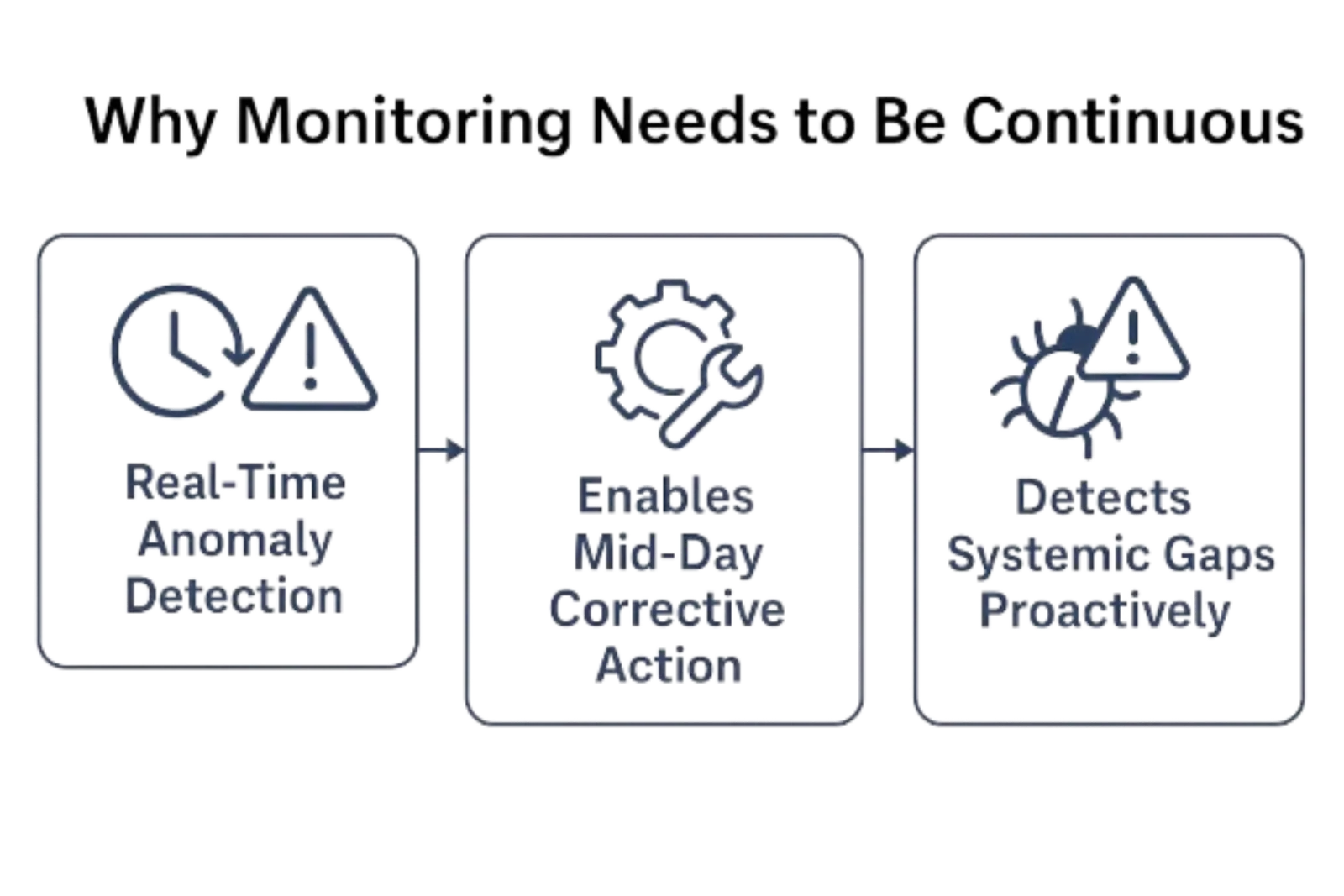
Digital fare collection comes with new fraud patterns alongside old ones. Chartr's AFCS monitors for anomalies in real time and flags them before they become systemic.
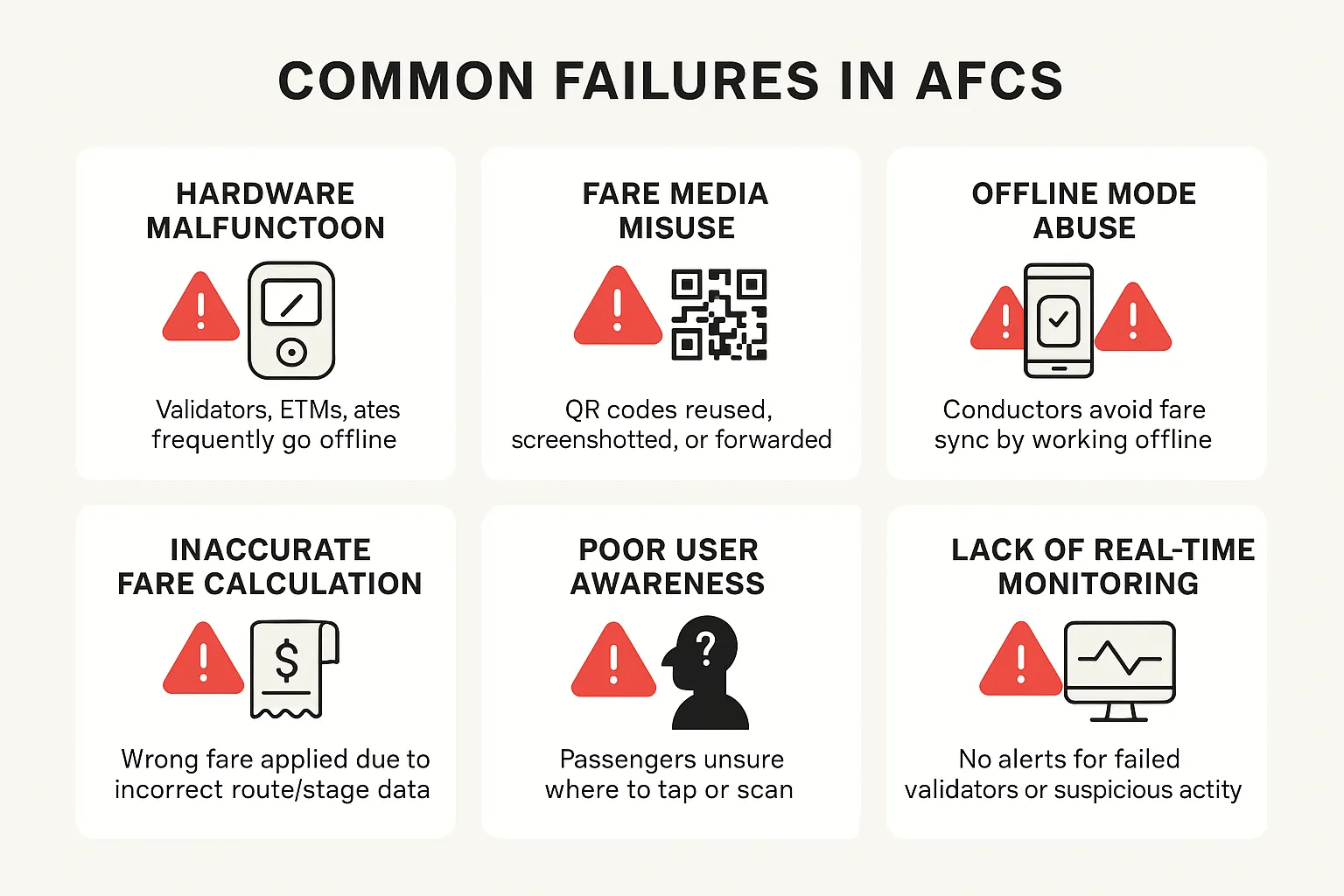
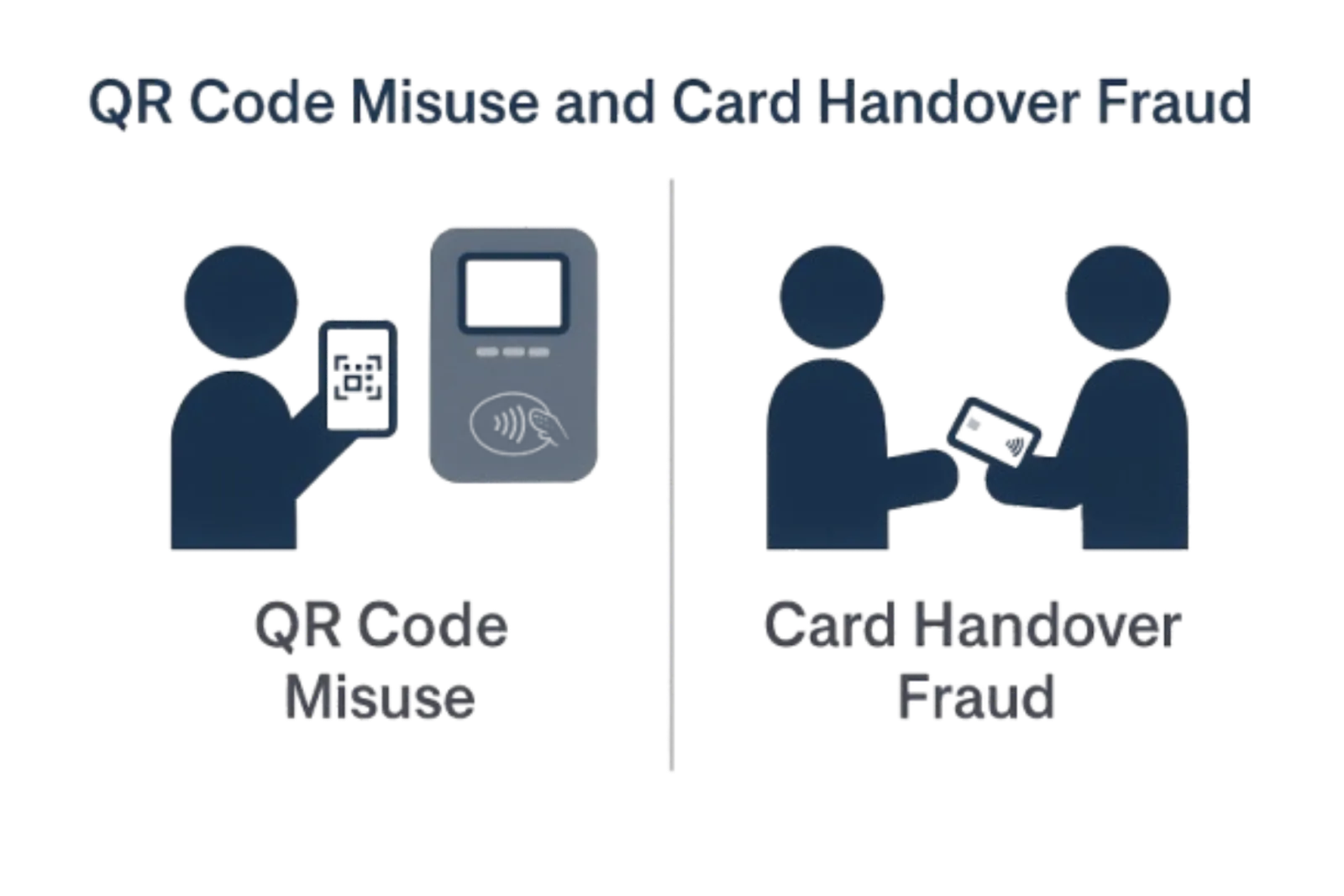
QR code screenshot reuse and card sharing — flagged by AFCS cross-bus time analysis
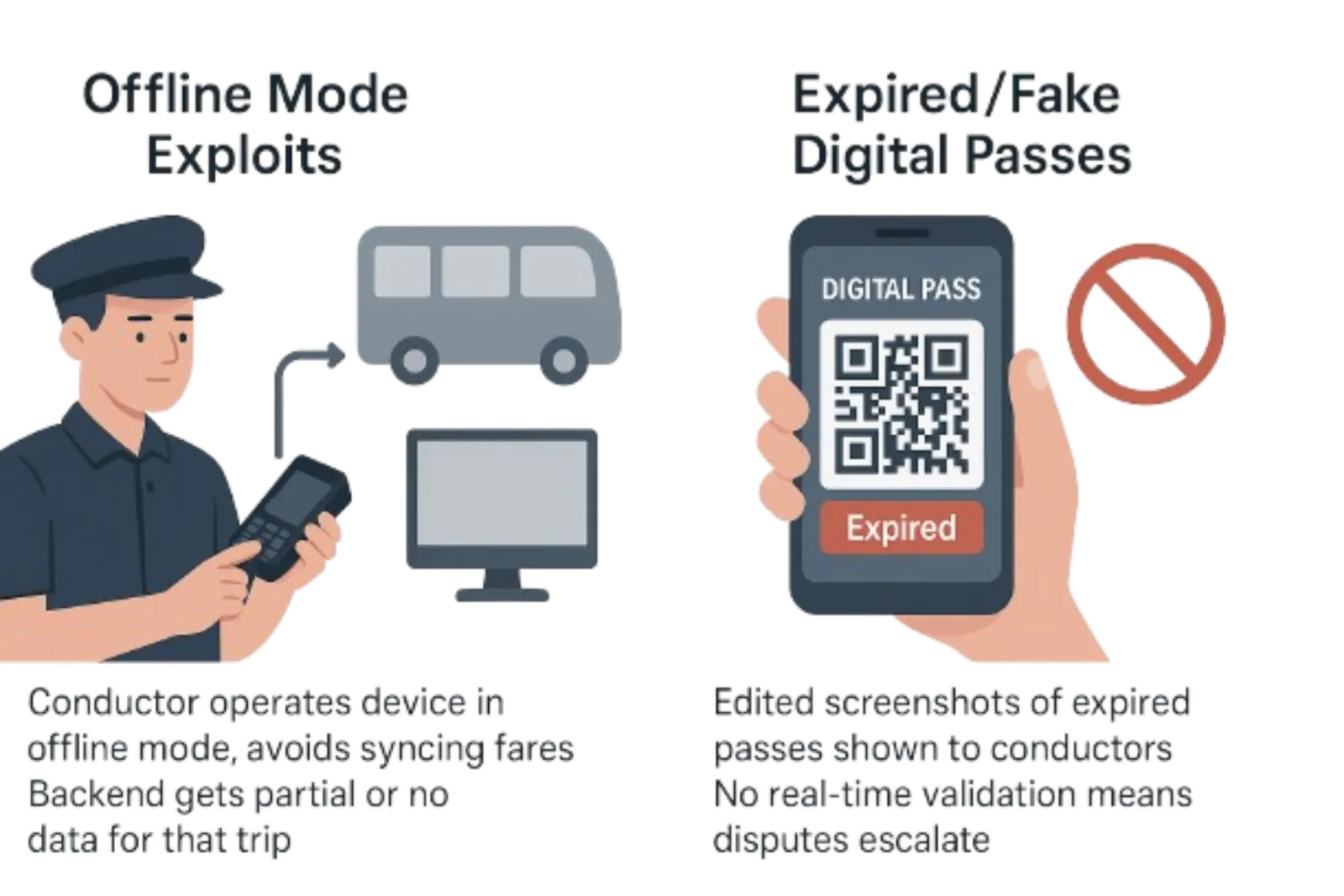
Offline mode abuse by conductors and fake/expired digital passes — detected via sync pattern analysis
How Chartr's AFCS catches revenue leakage
Route underperformance
Routes with 50+ boarding stops but only 10 tickets issued flag under-ticketing automatically.
QR reuse across buses
Same QR scanned in different buses at impossible time intervals → immediate fraud alert.
Offline shift abuse
Device operated offline for an entire shift → flags misuse pattern for inspection.
Mobile Ticketing
Tickets in your pocket — bus, metro, last mile
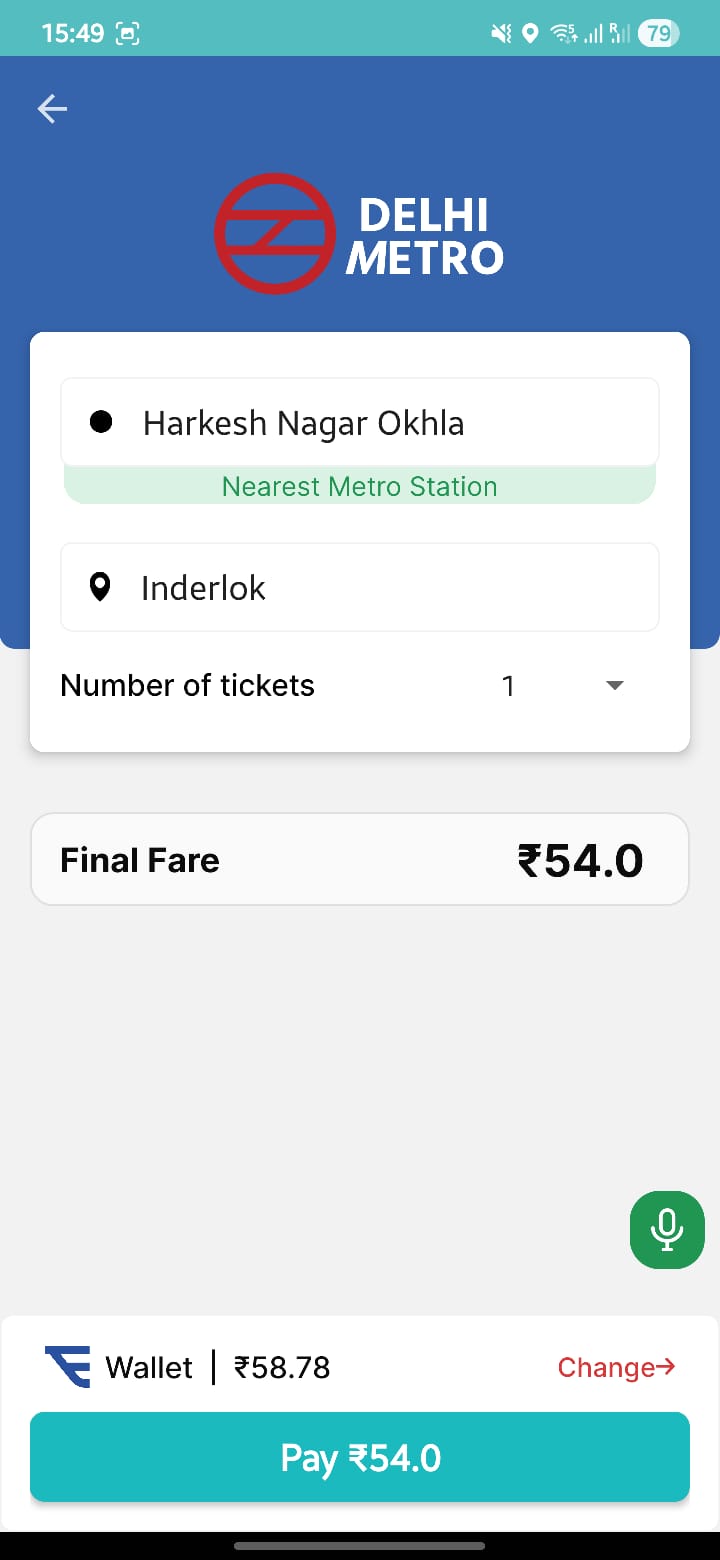
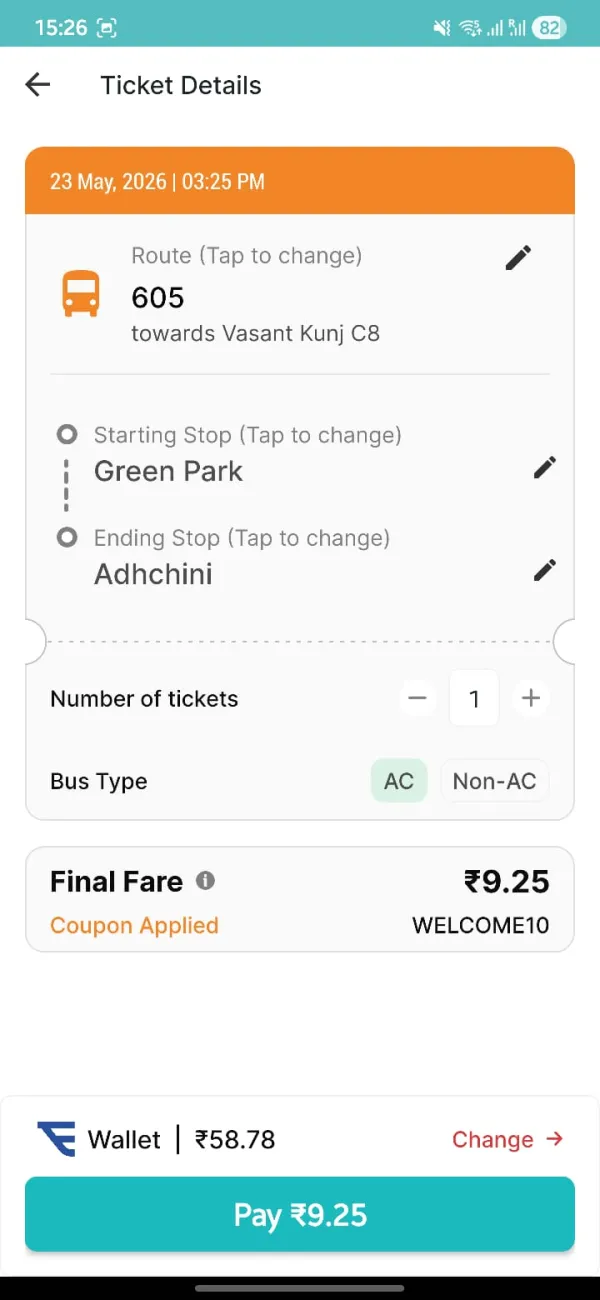
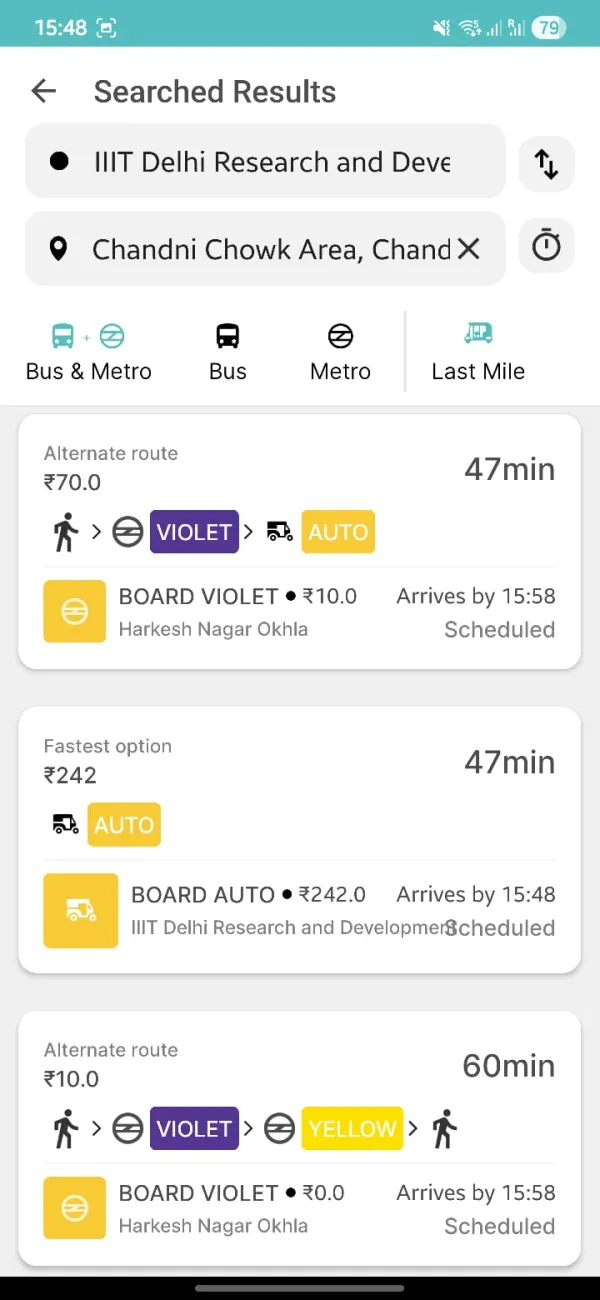
Chartr's app handles the full ticketing flow: select route → enter stops → pay → get QR ticket. Conductors and inspectors scan the QR to verify. The AFCS backend handles fare logic, discounts and reconciliation.
Bus Ticket
Live bus on map → select route → enter stops → fare calculated → UPI/Card → QR ticket issued
Metro Ticket
Source → destination → fare → payment → QR scanned at station gate — no token queue
Last Mile
App detects location → select destination → book last-mile ride → OTP start → payment
Live deployments
Ready to deploy AFCS on your network?
Tell us about your fleet size, routes and current fare collection setup — we'll walk you through the right stack.
Get in touch